
The more you spread it, the less remains in the end.
Bringing a new product, service, or proposition to market requires more than just visibility. The story must be right, sales and marketing need to move in the same direction, and people must immediately understand why it's relevant. The rest of the organization also needs to understand what is being launched and why it's important, so that new propositions are supported internally and presented more strongly externally.
As soon as too many target groups, messages, and channels demand attention simultaneously, fragmentation occurs. The Law of Strawberry Jam precisely illustrates what happens then: the more you spread it, the less remains in the end.
Momentum is created when everything moves in the same direction
A strong market introduction rarely stems from a single, isolated campaign or just a good product. It's precisely when the story, visibility, commercial approach, and customer experience reinforce each other that lasting recognition is created, which translates into preference and results.
This requires sharp choices. Which target group gets initial focus? Which message needs to be immediately clear? And which effort generates the most momentum today?
A go-to-market strategy often impacts multiple parts of an organization simultaneously:
- The precision of positioning and proposition
- The alignment between sales, marketing, and visibility
- The choices regarding target audience, market, and channel deployment
- The way stories build recognition and preference
- The ability to create traction and commercial momentum
Growing pains are part of building momentum
New propositions often bring many possibilities. Additional target groups, supplementary applications, or broader market opportunities seem attractive, but they also cause focus to slowly fade.
That is precisely why a strong go-to-market strategy requires choices that provide direction for visibility, communication, and commercial energy. Not to limit opportunities, but to ensure that everything put out into the market reinforces itself.
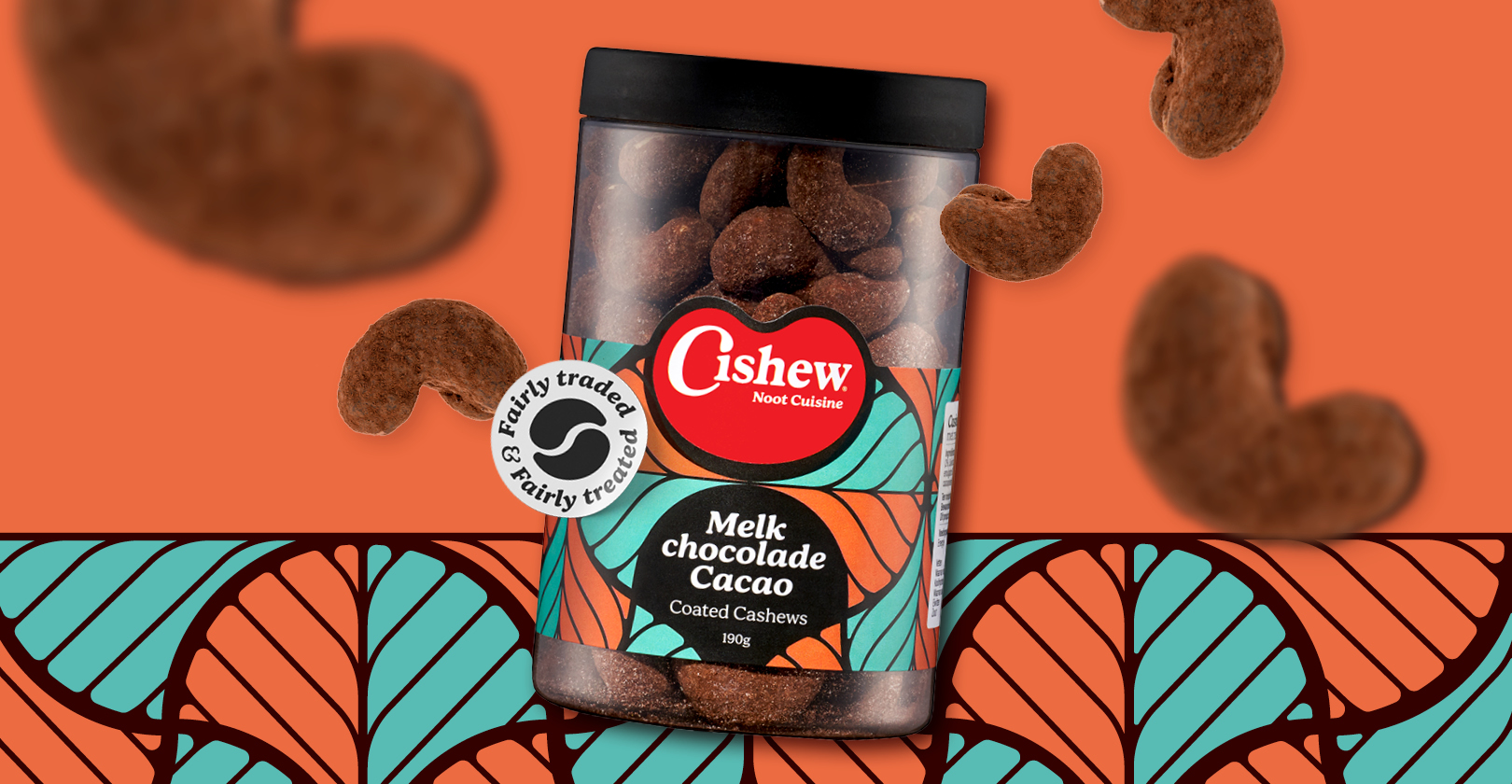
Cishew
For Cishew, we developed a go-to-market strategy that successfully introduced a mission-driven brand to both business customers and consumers.
Inspired by what you see? Let's connect.
Case studies
Now more than ever, brands have a responsibility to be attractive to future talent, investors, and (new) customers. Yes, that sometimes involves sustainability or social responsibility. And yes, that goes hand in hand with maintaining commercial success. In fact, it actually improves it. Because brands that are purposeful, profitable, and visionary are the brands that will be worth the most in every respect tomorrow. See for yourself.



How organizations present themselves today determines how much momentum can be generated tomorrow
The first impression of a new proposition is formed by how the story is told, which target group is addressed first, and how much sharpness is felt in the choices made.
That is precisely why a strong go-to-market strategy requires choices that provide direction for visibility, communication, and commercial energy. So that everything put out into the market reinforces itself and contributes to recognition, traction, and results.
Branding tomorrows
accelerate towards Tomorrow today
Growth is rarely stalled by a lack of ambition. It is, however, stalled by a lack of time, focus, and continuity. With Branding Tomorrows, we bring direction, execution, and people together. All our creativity and commitment, wrapped in an energetic, results-oriented way of working.
-web.png)
TOMORROW STARTS HERE.
Every challenge starts somewhere. With growth. With doubt. With the feeling that something could be sharper. With silos in the organization. What challenge will your tomorrow begin with?